
Dry Eyes
Are More Than
Just Annoying
What is Dry Eye Disease?
Dry Eye Disease occurs when your eyes don’t produce enough tears or when the tears evaporate too quickly.
Without a healthy tear film,
your eyes can become:
Irritated
Inflamed

Blurry

Uncomfort

Dry eye is a chronic condition that often worsens without proper treatment.
Early diagnosis can protect your eye health and improve your quality of life.
Common Signs
Of Dry Eye
Dry eye symptoms can affect your comfort, vision, and quality of life.
You may have dry eye disease
if you experience:

Burning or stinging eyes

Gritty or sandy sensation

Red or irritated eyes

Fluctuating or blurred vision
Excessive tearing or watery eyes
Light sensitivity
Eye fatigue

Contact lens discomfort
Symptoms often
worsen during:

Prolonged screen use

Reading

Driving

Air travel

Wind exposure

Air conditioning
or heating

Did You Know?
Many patients are surprised to learn that
watery eyes can actually be a sign of dry eye disease.
When the eyes become irritated, they may produce reflex tears that do not adequately lubricate the eye surface.
Dry eye is a chronic condition that often worsens without proper treatment.
Early diagnosis can protect your eye health and improve your quality of life.
Dry eye symptoms can range from mild irritation to chronic discomfort and blurred vision.
Early diagnosis can help prevent symptoms from worsening.
What Causes
Dry Eyes?
Dry eye disease is caused by a combination of factors that affect your tears and the surface of your eyes.
Meibomian Gland
Dysfunction (MGD)
The oil-producing glands in your eyelids can become blocked or unhealthy, causing tears to evaporate too quickly.

Inflammation
Chronic inflammation can damage the cells that produce tears and worsen dry eye symptoms.

Aging
Tear production naturally decreases as we age.

Digital Eye Strain
Reduced blinking during screen use increases tear evaporation.

Hormonal Changes
Hormonal shifts, including menopause, pregnancy, and thyroid changes, can affect tear production.
Blepharitis
& Demodex
Eyelid inflammation and tiny mites can disrupt the tear film and block glands.

Medical
Conditions
Autoimmune diseases, diabetes, rosacea, and thyroid disorders may contribute to dry eye.
Medications
Antihistamines, antidepressants, diuretics, beta blockers, and others may reduce tear production.

Environmental
Factors
Wind, low humidity, air conditioning, heating, and pollution can worsen dry eye symptoms.

Did You Know?
Dry eye is a multifactorial disease, meaning more than one factor is often involved.
That’s why a personalized approach to diagnosis and treatment is essential.
Understanding the cause is the first step toward lasting relief.
Our team will identify your unique triggers and create a treatment plan just for you.
Our Comprehensive
Dry Eye Evaluation
Dry eye is a complex condition with many potential contributing
factors. Our advanced diagnostics help us understand your unique
condition and create a personalized plan that works for you.
What to Expect During Your Evaluation
Detailed Medical History
We review your symptoms, lifestyle, environment, medications, and overall health.

Advanced Diagnostic Testing
We use state-of-the-art technology to evaluate your tear film, meibomian glands, and ocular surface.
Tear Film Analysis
We measure tear quantity and quality to assess stability and evaporation.

Meibomian Gland Evaluation
We image your glands to assess structure and function.

Ocular Surface Assessment
We evaluate inflammation, damage, and overall ocular surface health.

Personalized Treatment Plan
We identify the factors contributing to your dry eye symptoms and recommend a customized plan.
Our goal is to help you see clearly, feel comfortable,
and protect your eyes for years to come.
It all starts with understanding your unique dry eye condition.
Did You Know?
Dry eye symptoms don’t always match the signs we see during testing.
That’s why advanced diagnostics are essential for proper evaluation and treatment.
Your comfort and long-term eye health are our top priorities.
Advanced Treatments
For Lasting Relief
We customize treatment plans using advanced technology
to address the underlying causes of dry eye disease.

OptiLight® IPL
Intense Pulsed Light
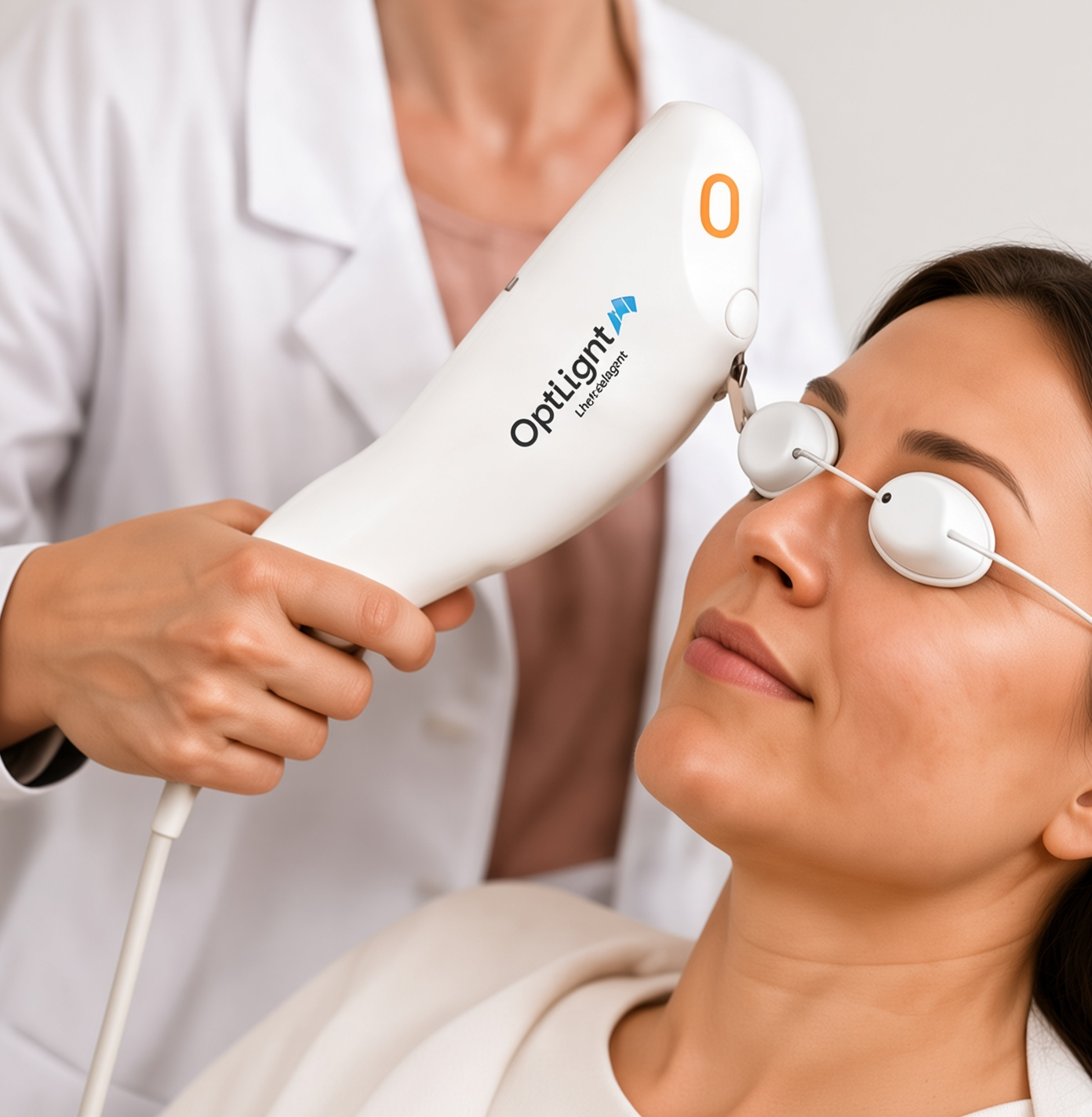

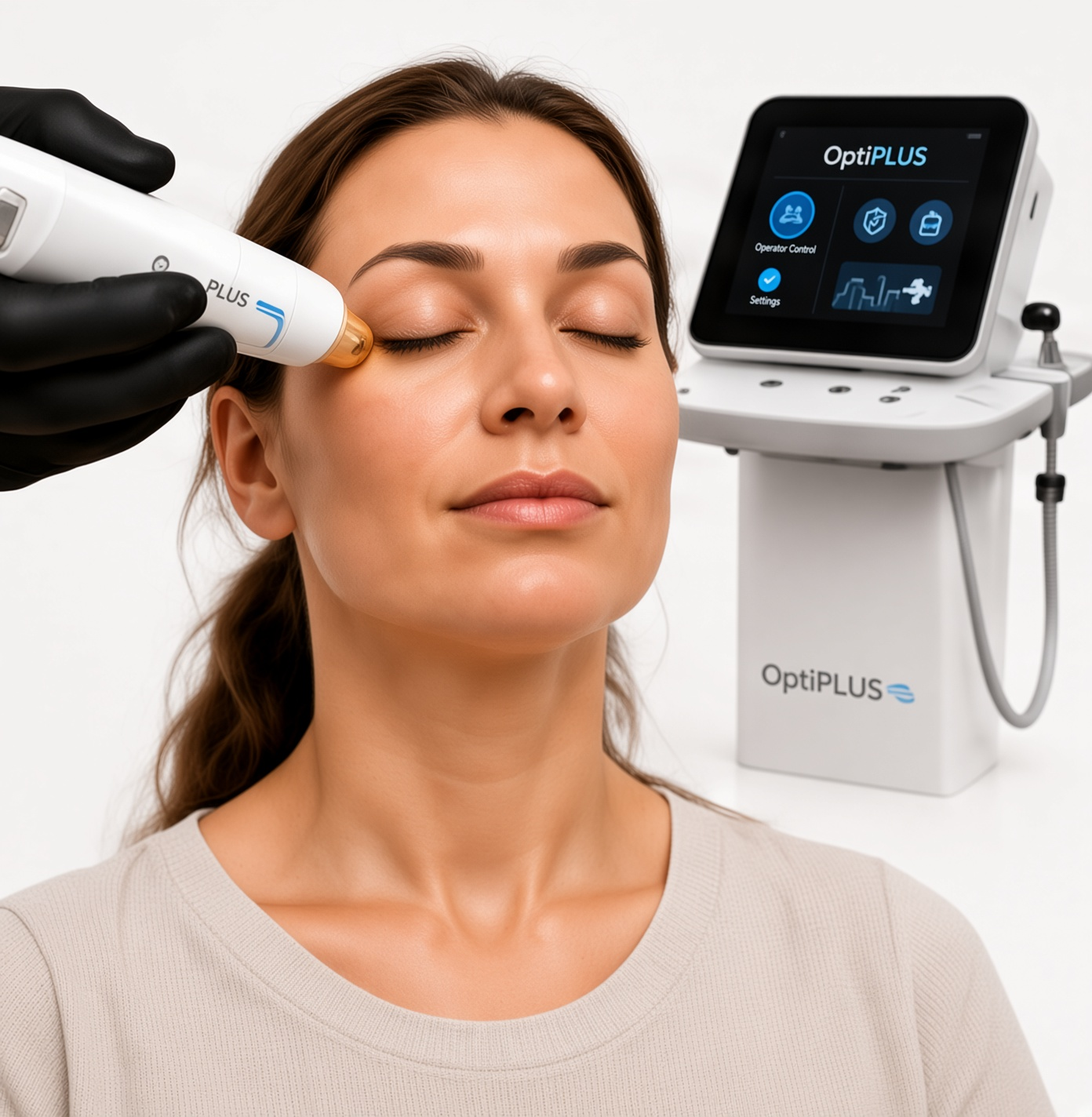
OptiPlus® RF
Radio Frequency

OptiLift®
DMST + RF

Additional Treatment Options

Low-Level Light Therapy (LLLT)
TearCare®

Zest Lid Hygiene & Demodex Management
Medical Dry Eye Management

Personalized Home Care Plans
Additional therapies may be recommended as part of your personalized treatment plan.
Did You Know?
The Hidden Connection Behind Dry Eyes
If you are living with Dry Eye Syndrome or Meibomian Gland Dysfunction (MGD), or if you have previously undergone LASIK or PRK surgery, your eyes are highly vulnerable to persistent dryness and irritation.
Take the Next Step
Toward Better Eye Health
Personalized care. Advanced technology.
Real relief from dry eye.
Your Eyes.
Our Focus.
Your Life.
Better.
Book Your
Dry Eye Consultation Today
Relief starts with one appointment.

Expert Care
Specialists in dry eye diagnosis and treatment.

Advanced Technology
The latest, proven treatments for better results.

Personalized Plans
Customized solutions for your unique needs.
Lasting Relief
Improved comfort, better vision, better quality of life.

Aesthetic Benefits
Look and feel refreshed with healthier eyes.